

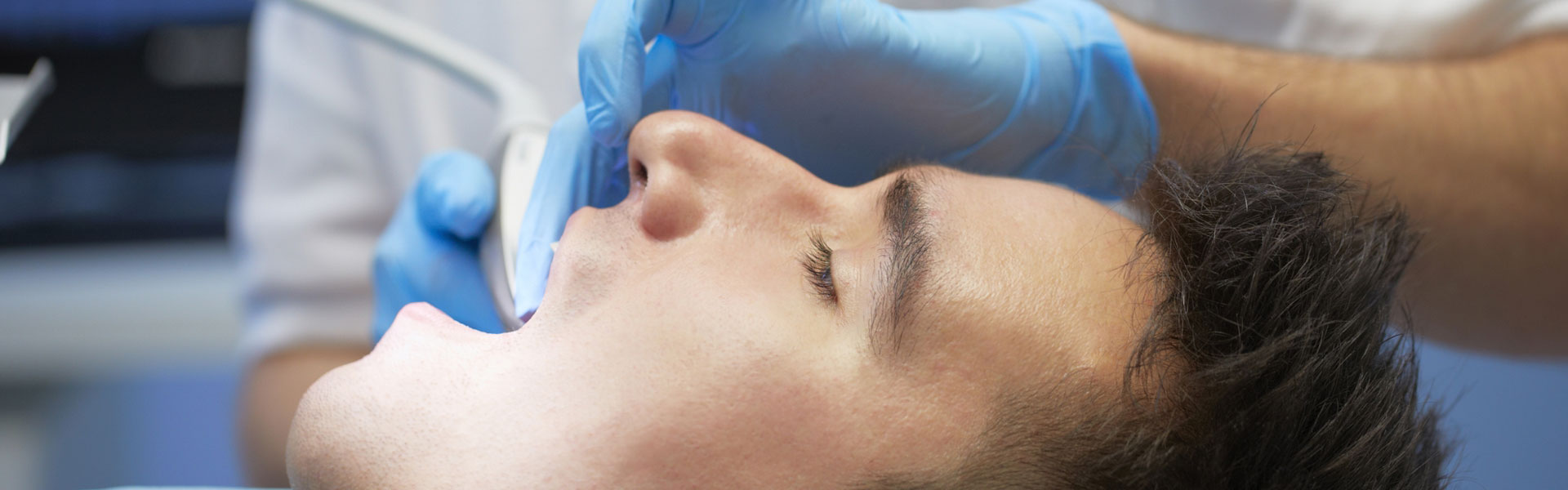
Trust your oral health to our advanced surgical capabilities, including removing impacted wisdom teeth!
Our friendly and skilled team at Canyon Crossing Dental gets individuals from St. George and our corner of southwestern Utah out of pain in the near term. Over the long term, our veteran dentist, Dr. Susan Baker, restores the structural integrity, aesthetics, appearance, and healthy function of teeth that are irreparably damaged.
Candidates for extraction
Extraction or tooth removal is typically considered a “last resort” procedure. It may either be nonsurgical or “simple” in nature or a type of oral surgery.Wisdom teeth are the exception to the rule of extractions as a treatment of last resort. These so-called “wisdom teeth” are actually the “third molars,” the last teeth to develop in the mouth. These teeth owe their nickname to the fact that they usually develop as individuals are transitioning from childhood to adulthood, between the ages of 17 and 21. By the time they break through the gums, there is often insufficient space for them to develop properly. With a lack of adequate space, the developing teeth can come in at an angle – and become either partially or fully trapped in the jawbone. This common complication is called “impaction.”
As big advocates of proactive dentistry, Canyon Crossing Dental regularly monitors for potential complications. If the teeth are not developing as they should, prompt extraction is recommended. That way, we can prevent the pain and pressure associated with impacted wisdom teeth, as well as damage to the surrounding teeth and tissues.
Extraction may also be recommended if Dr. Baker finds that your tooth is:
- Severely decayed or deeply infected or inflamed, and not an appropriate candidate for treatment with root canal therapy (RCT)
- Not healing properly after treatment with RCT
- Not preserved following root canal retreatment or endodontic surgery to treat the innermost dental pulp
- Fractured in a way where it cannot be repaired and preserved
Teeth may also be removed to accommodate orthodontic treatment. As noted, dental extractions may or may not be surgical. Some “simple” extractions are in order when the teeth are generally intact and easily accessible. A surgical extraction is often warranted in cases where the tooth is not visible or broken. Regardless of our approach to removing teeth and getting you back on the road to health, all simple or surgical procedures are tolerated well by our patients. Dr. Baker uses a range of cutting-edge, light-touch technologies and techniques to support your comfort and an anxiety-free dental experience. Additionally, she is happy to discuss your options for anesthetic or sedation.
Your comfort is our priority at Canyon Crossing Dental. Call (435) 344-4445. We encourage you to contact our Ivins, UT team before trouble signs develop, such as sensitivity when drinking or eating sweet or cold foods and beverages or persistent toothaches and swelling. We may be able to preserve your troublesome tooth!